Guide to Asian sauces: the secret weapon to improve every dish

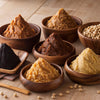
In Europe, the culinary world is becoming increasingly diverse and globalized. More and more people are starting to explore new flavors, looking for elements that can enrich everyday dishes. In this process, Asian sauces are undoubtedly the secret weapon that should not be underestimated. These sauces can not only bring rich flavors, but can also add an exotic touch to your cooking. Below, we will introduce some of the most popular Asian sauces, so that you can easily enjoy the charm of Asian cuisine at home.
1. Soy Sauce (Soy Sauce)
Soy sauce is one of the most important staple condiments in Asia, especially in Chinese, Japanese and Korean cuisine. Soy sauce is divided into two types: light and dark. Light soy sauce has a lighter color and a salty, fresh flavor, and is commonly used for frying and seasoning; dark soy sauce has a darker color and richer flavor, and is often used for coloring. Whether used to marinate meat or as a dipping sauce, soy sauce is an indispensable condiment in the kitchen.
2. Fish Sauce
Fish sauce is a key condiment in Southeast Asian cuisine, particularly in Thailand, Vietnam and the Philippines. It is made from fermented fish, has a unique flavor and is rich in umami. Fish sauce can be used for seasoning soups, frying, marinating foods or making salad dressings. Just a small amount can add a depth of flavor to dishes.
3. Oyster Sauce
Oyster sauce is a thick sauce made with oyster extract, widely used in Chinese cuisine. It has a sweet and savory flavor, and is perfect for stir-frying, stewing or as a dipping sauce. Oyster sauce not only improves the flavor of dishes, but also adds color and shine to food, making it more appetizing.
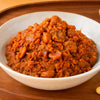
4. Bean and Chilli Sauce (Doubanjiang)
Bean and chili sauce is an indispensable condiment in Sichuan cuisine, made with fermented beans and chili peppers. It has an aromatic, rich and slightly spicy flavour. It is an important ingredient for classic Sichuan dishes such as Mapo Tofu and Spicy Pork. Bean and chilli sauce not only adds spiciness but also offers rich complexity to dishes.
5. Satay Sauce
Satay sauce is a sauce originating from Southeast Asia, commonly used in Malaysian, Singaporean and Indonesian cuisine. It is made with peanuts, coconut milk, spices and chili peppers, and has a rich and slightly sweet flavor. Satay sauce is ideal for grilling, fondue or as a dipping sauce, adding a unique flavor to dishes.
6. Chilli Sauce
Each Asian country has different varieties of chili sauce, such as Thai sweet and sour sauce, Korean chili sauce (Gochujang), and Chinese crushed chili sauce. Chili sauce not only increases the spiciness in dishes but also adds several layers of flavor. Whether for frying, cooking soups or grilling, a moderate amount of chili sauce can greatly enrich your food.
Three classic Asian recipes
To help you better experience the charm of Asian sauces, we recommend three classic Asian recipes. These dishes are not only delicious, but also easy to prepare at home.
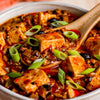
1. Mapo Tofu
This is a classic Sichuan dish, made with tofu and minced meat, seasoned with bean and chili sauce, Sichuan pepper and chili pepper. Cut the tofu into cubes, fry the minced meat with the bean and chilli sauce, add the tofu, chilli and Sichuan pepper, finally thicken with water and corn starch.
2. Pad Thai
This national Thai dish is made with rice noodles, chicken or shrimp, egg and bean sprouts, seasoned with fish sauce, sweet and sour sauce and chopped peanuts. Cook the rice noodles, fry the chicken or prawns until half cooked, add the eggs and fry, then add the noodles, bean sprouts and seasonings, finally sprinkle with chopped peanuts and coriander.
3. Bibimbap
This is a very popular Korean mixed rice dish, made with rice, various vegetables, grilled meat and Korean chili sauce (Gochujang). Fry the vegetables and meat separately, put the rice in a bowl, arrange the vegetables and meat on top, finally season with the Korean chili sauce, mix well before eating.
These classic Asian dishes cannot do without the various condiments that enrich them, giving them a unique flavor and bringing endless delights to your table. Try cooking these recipes at home to experience the inexhaustible charm of Asian cuisine.